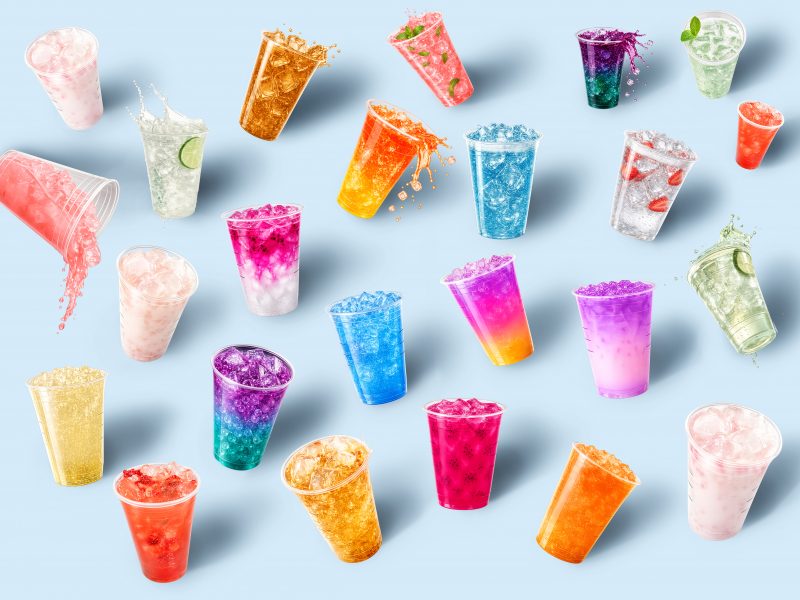
Gifford Brown and Michael Lojkutz explain how refreshers became a cultural force – and what comes next
| The big idea:
· Refreshers have become a cultural phenomenon. · The next generation of refreshers will feature functionality, textural experience and sugar reduction. · Refreshers represent a huge opportunity for operators looking to tap into the next big thing. |
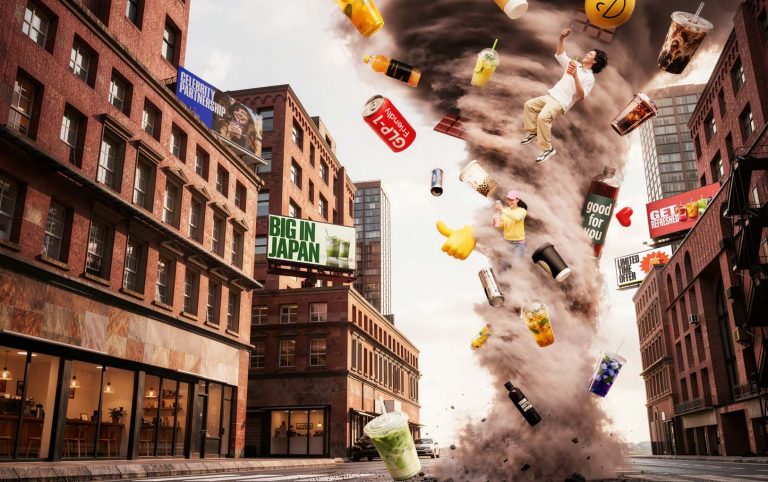
Remember 2026 as the year the refreshers crossed into ubiquity. In refreshers crossed into ubiquity. In May, McDonald’s – one of the world’s most iconic foodservice brands – added refreshers to its global menus. By introducing these vibrant, eye-catching beverages to the 26 million customers who visit daily, McDonald’s will ensure that, if you haven’t heard of refreshers yet, it’s only a matter of time until you do.
Refreshers have become a top-five, fastest-growing beverage item on foodservice menus over the past four years, according to Datassential, and there is still plenty of space for growth. But ubiquity brings a new challenge: once a category becomes universal, it must evolve. The next chapter of refreshers will be defined not by novelty, but by reinvention.
Anatomy of a refresher
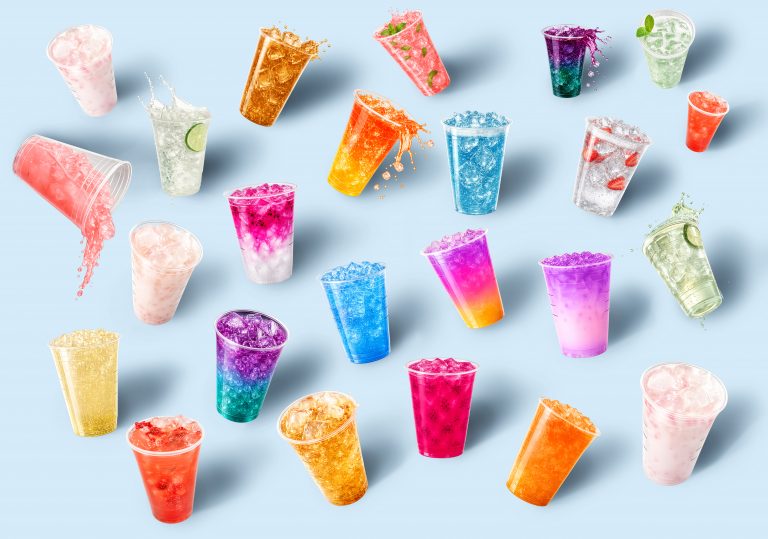
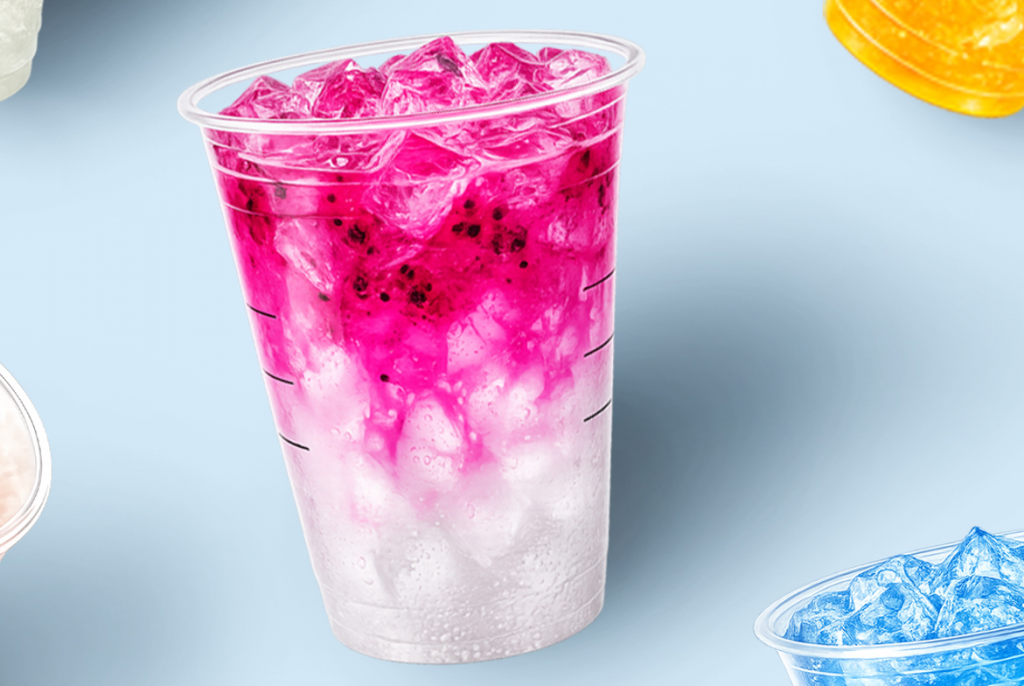
A refresher is a cold, colorful, lightly sweetened beverage with a fruit flavor base and a mixer. Typically it’s caffeinated with a natural energy source, such as green coffee or green tea extracts, but caffeinefree refreshers are increasingly popular. Positioned as a vibrant, lower-calorie alternative to sugary coffees and sodas, it delivers a uniquely crisp and gulpable hydration experience designed to be deeply craved across all dayparts.
As well as being a category in its own right, refreshers span multiple soft beverage categories including (but not limited to) energy, functional drinks, lemonades, milkshakes and fruit juices. The category is also blurring with other high-growth segments such as bubble tea and with options to customize or add ‘additions’ in foodservice.
A cultural moment
Refreshers first appeared in 2012, with Starbucks pioneering the category. This coincided with another cultural shift: the rise of Instagram. The iPhone camera had dramatically improved. The core coffee shop consumer was shifting from Gen X “coffee snobs” to Millennial “foodies.” The “Gram eats first” became a cultural truth. In time, walking around with a brightly colored, fruit-forward beverage wasn’t just a drink choice – it was a social signal.
After establishing itself throughout the 2010s, the category enjoyed renewed momentum from 2020 with key players such as Dunkin’ and Tim Hortons entering the arena. With this has come category expansion that is addressing a range of consumer needs, occasions and expectations, from refreshment and functionality to indulgence.
Evolution to ubiquity
By 2024, refresher consumer sales value in the US had grown at 28% CAGR to reach approximately $1.4bn, powered largely by Starbucks and Dunkin’. Since then, the category has only continued to grow. Based on our data, we forecast that refreshers will reach $2-2.3bn by 2028, with a CAGR of between 13-8%. And the 2026 entry of McDonald’s into the category will only supercharge this.
Where refreshers are going next (and how operators can capitalize)
1. Own the “Sip & Chew” Textural Experience: Baseline liquid refreshment is no longer enough to stand out. Consumers, especially Gen Z and younger Millennials, increasingly expect a multi-sensory experience. Operators can capitalize on this by pairing refreshers with innovative inclusions like foams, popping boba, specialized jellies, or high-quality inclusion pieces that rehydrate in the cup. This not only elevates the premium perception of the beverage but also drives high-margin customization upsells.
2. Shifting from “Light Energy” to Hyper-Functionality: The original refresher hook was a simple energy boost from clean caffeine. The next frontier is “refreshmentmaxxing” infusing these clean-label, low-calorie bases with targeted functional benefits. Brand owners should look to evolve their menus by incorporating things like Hydration + such as Electrolytes and coconut water bases and Holistic Wellness ingredients like Adaptogens (say ashwagandha or lion’s mane), antioxidants and gut-healthy prebiotics.
3. Prioritize “Gulp-able” Sugar-Reduction: While consumers reject heavy, sugary sodas, they refuse to compromise on the crisp, craveable mouthfeel of a classic refresher. The challenge, and the major brand battleground, is removing sugar without introducing the bitter, chemical aftertaste of traditional artificial sweeteners. Focus on cutting-edge, natural sweetening solutions (such as optimized stevia or monk fruit blends) that protect that signature, refreshing capability while keeping the calorie count low.

4. Protect Operational Speed with Liquid Concentrates: In a high-volume QSR or foodservice environment, consistency and speed of service are everything. Avoid complex, labor-intensive builds that require extensive barista training or slow down the drivethru lane. Operators should look to lean into high-acid, aseptically processed liquid concentrates with simple mix ratios. This guarantees that a beverage served in Toledo, Ohio tastes identical to one served in London, England.
A taste of what’s next
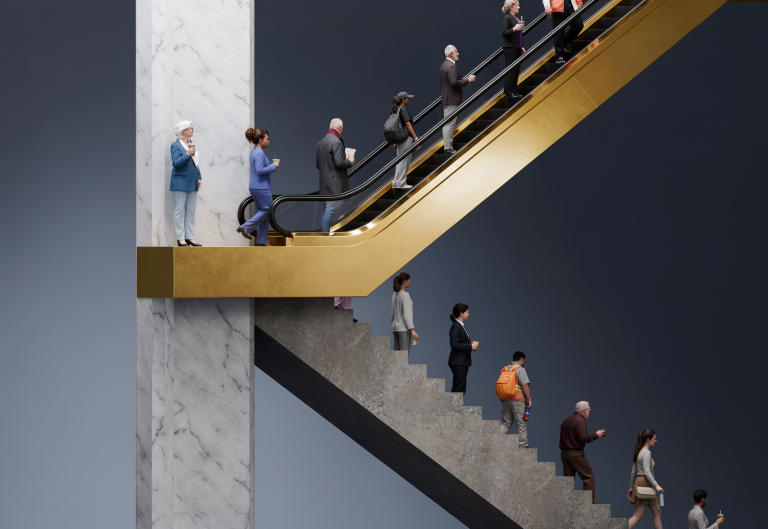
Looking back, it is amazing how far the refresher has come over the last decade and a half. And when you zoom out, the trajectory is hard to miss: refreshers are on track to become the same kind of cultural and commercial phenomenon coffee achieved in the 1990s. Your grandma might not have known what a latte was in the mid-nineties, but she sure does now. And soon, the same will be true for refreshers.

Why Solutions Matter in a Refresher World
At Finlays Solutions, we’re proud to say we were at the very forefront of the innovation that made the refresher phenomenon possible.
And for us, the story of refreshers is also a story about solutions. At Finlays Solutions, our journey to becoming one of the refresher category’s leading innovators didn’t begin with a multimillion dollar R&D brief. It began in the early 2000s, in a meeting with an emerging beverage powerhouse. The item we went in to pitch was a non-starter. But with one foot out the door, they asked: “Can you supply us with a lemonade?”. They needed a solution. We shifted instantly. “Of course”, we said, and in that moment, the solutions mindset that now defines our approach was born.
Years of collaboration followed – searching for a beverage platform that could capture the afternoon “slump” daypart and complement a booming morning coffee business. Platforms came and went. Markets shifted. But in 2012, with our technical support, therefresher was born.
Over the years, our customers’ success with refreshers has been powered by technical precision. High Temperature Short Time (HTST) flash pasteurization — our aseptic process — ensures absolute food safety and multi-month shelf stability while preserving vivid colors and delicate fruit-forward flavors. It is widely recognized as the gold standard for maintaining product integrity without compromising clean label promises.
Since 2012, we’ve developed more than 200 proprietary refresher formulas and produced nearly one billion units globally. That experience has shaped our belief that the future of refreshers – and of beverage innovation more broadly — belongs to those who think in solutions, not SKUs.
Partner with the Experts
At Finlays Solutions, we don’t just sell you a syrup or a base. We bring a collaborative, end-to-end solutions approach to your R&D and supply chain teams. Whether you are looking to launch a regional menu disruptor or scale a permanent, high-margin beverage platform across thousands of global locations, we have the formulas, the aseptic capacity, and the 14-year track record to make it happen.
Gifford Brown Chief Growth Officer Finlays Solutions
Michael Lojkutz Director of Marketing Finlays Solutions