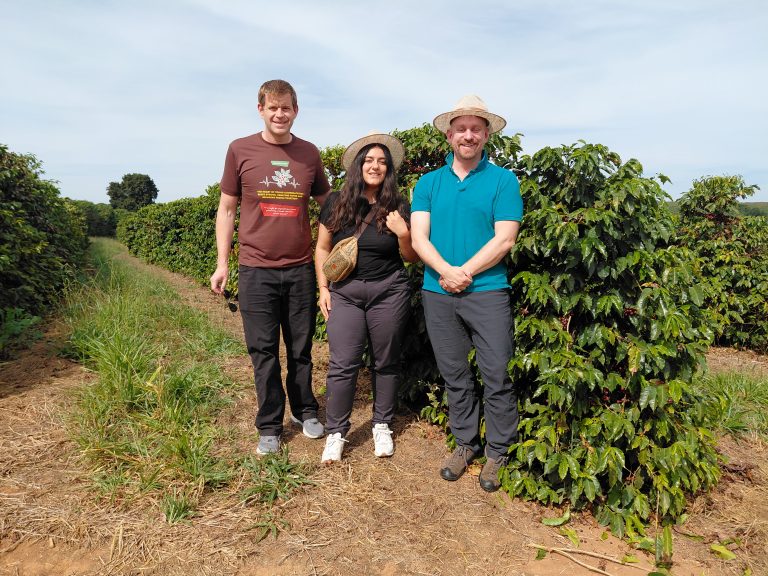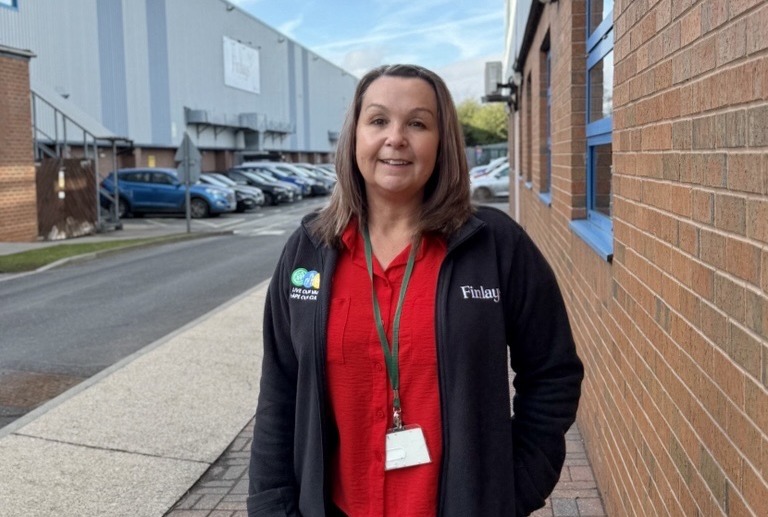
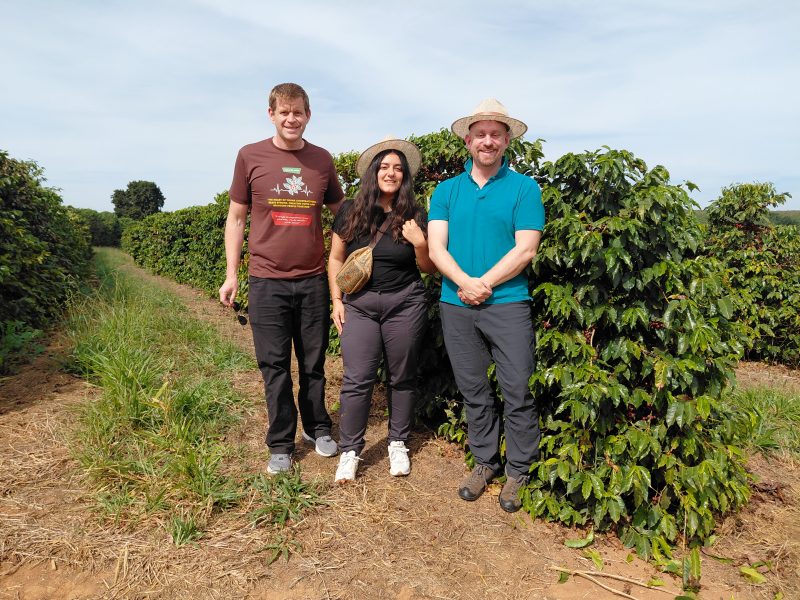
Following a supplier visit to Brazil with Finlays’ long-term partners, COOMAP, Francisca Sassetti shares the three things that stood out from the trip.
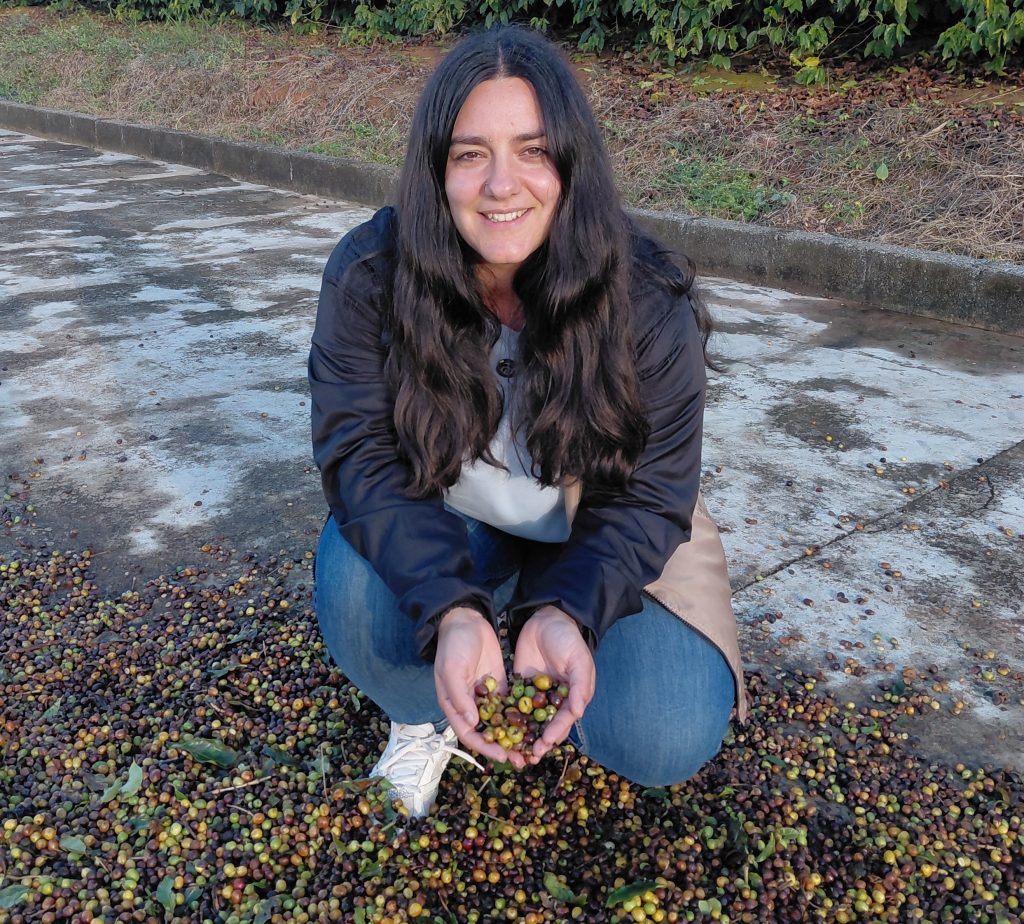
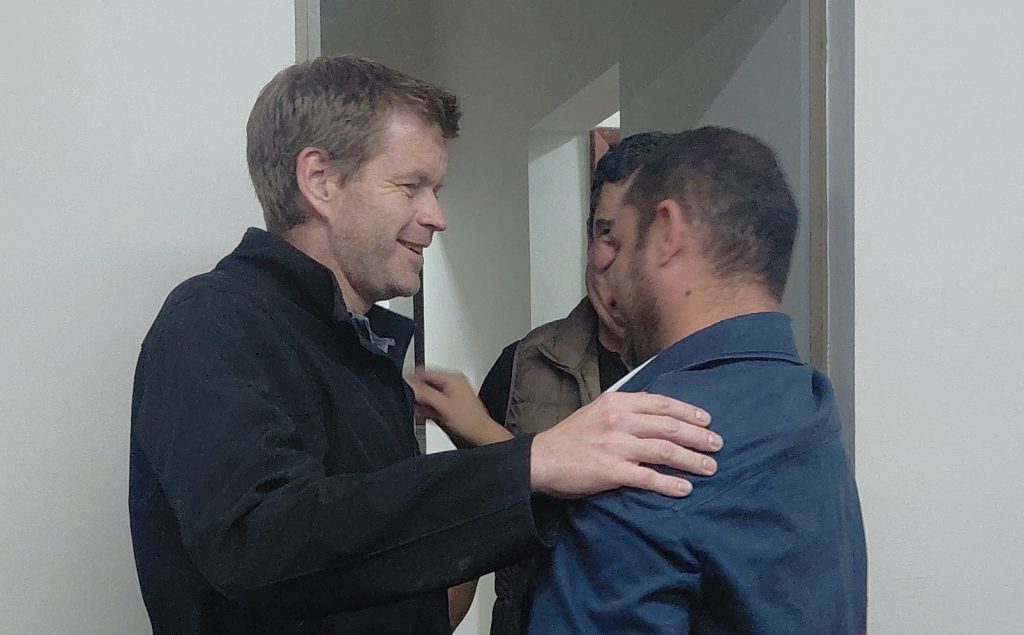
It was with teary eyes that Elizier, the director of Brazilian coffee cooperative Costas 5588, told me: “if it wasn’t for Finlays, we wouldn’t be here today”. During a difficult year in 2018/19, Finlays bought all the cooperative’s coffee production, helping keep the business and the farmers who depend on it afloat.
That story came up repeatedly during our visit to coffee growers in Southern Minas Gerais. But what stayed with me most was not just the memory of one gesture. It was how an 18-year relationship has helped support commercial growth, farmer livelihoods, sustainability maturity and resilience in an increasingly volatile world.
Supplier relationships are a two-way street
The first takeaway is that the strongest relationships are not built by telling suppliers what matters to us, but by understanding what matters to them and finding where our priorities overlap.
It is easy to think about supplier relationships in terms of contracts, prices and volumes. But in Brazil, I saw how much value is created when both sides invest in each other’s success. At Costas 5588, Finlays accounts for around 65% of exports, with Sainsbury’s representing much of that volume. Yet what people remembered most was trust.
That trust opens up conversations that transactional relationships rarely do. Farmers spoke candidly about unpredictable weather, labour shortages, theft and the challenge of making coffee farming viable for the next generation. It reminded me that while buyers may talk about carbon, compliance and traceability, farmers talk about productivity, resilience and providing for their families. Often, the objectives are the same — we are just using different language.
“If you want to go fast, go alone; if you want to go far, go together”
My second takeaway is that long-term supplier relationships promote growth for all. When suppliers become more productive, resilient and sustainable, customers benefit too — through stronger partnerships, greater transparency and more confidence in supply.
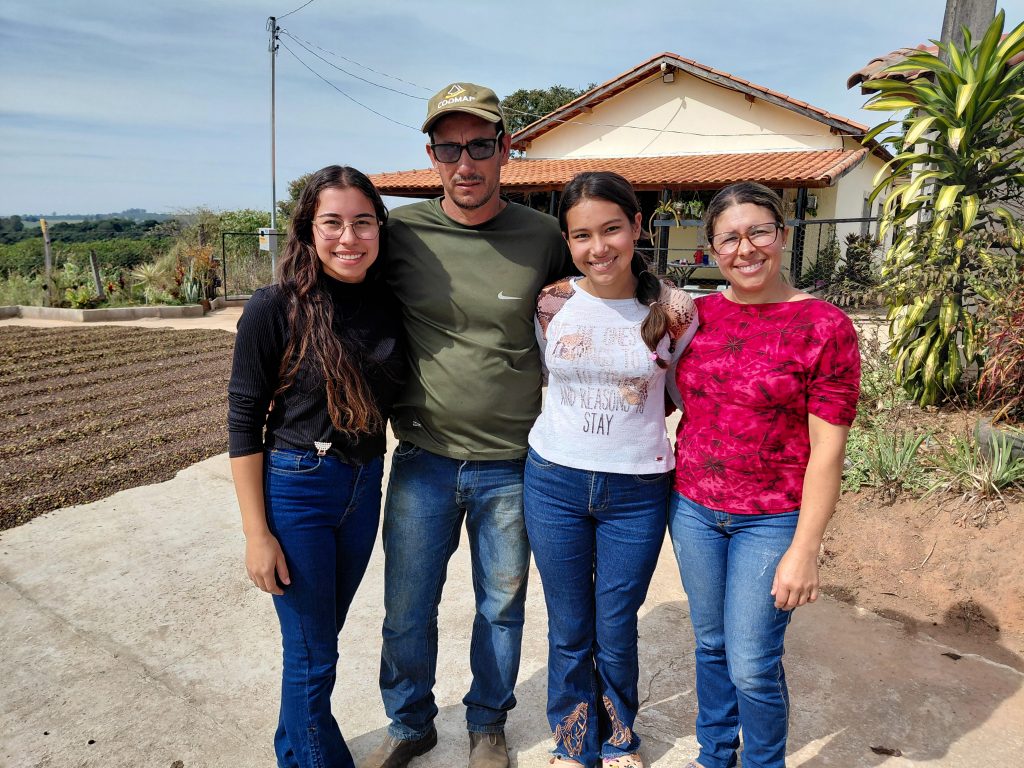
Between 2005 and 2009, a small group of coffee growers came together to pursue Fairtrade certification. Today, Costas 5588 has grown into a cooperative of 273 members covering almost 3,000 hectares, with over 90% family-run farms. It employs agronomists and sustainability specialists who support farmers on productivity, soil health, climate resilience, human rights due diligence, health and safety, child labour prevention and deforestation prevention.
The impact is tangible. In 2025, cooperative members averaged around 31 coffee bags per hectare, compared with the Brazilian average of 26. Finlays has supported this journey through long-term market access and initiatives such as the Next Generation Farmers programme, helping younger people see a future in coffee farming.
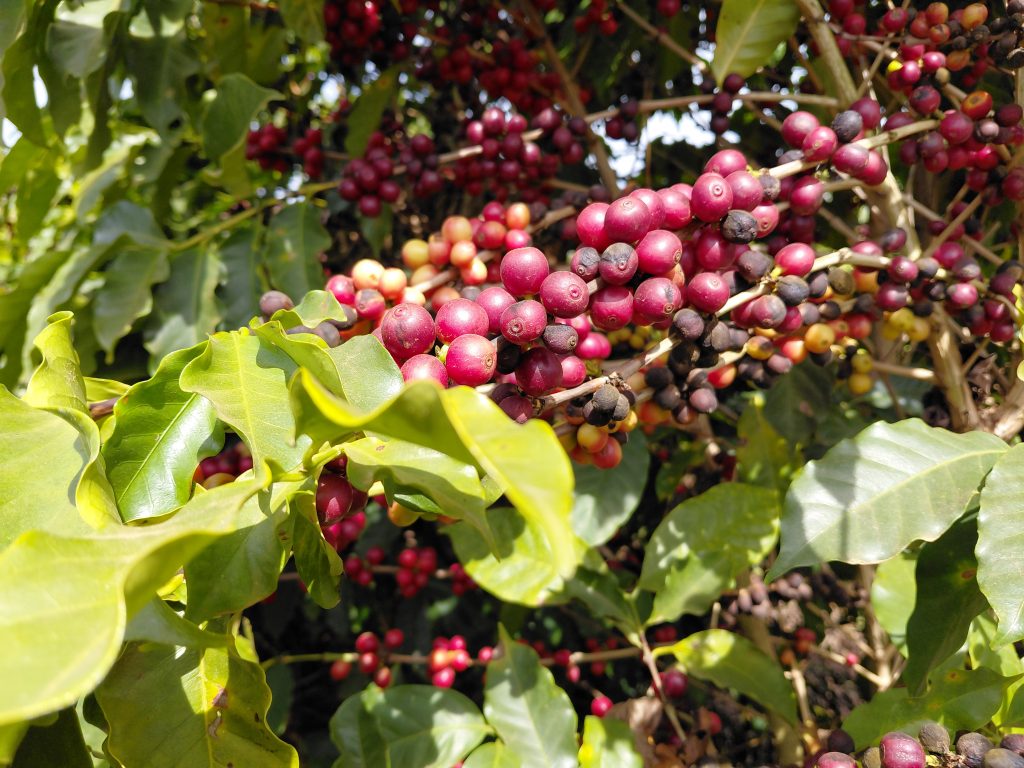
Climate resilience is now critical for surety of supply
My third takeaway is that climate change is no longer just a sustainability issue. It is becoming critical for surety of supply, and building resilience will require long-term partnerships across the value chain.
Before visiting Brazil, I thought about climate change mainly as a supply chain risk. After meeting farmers, it felt much more personal. They spoke about hail, frost, strong winds and unusual weather damaging crops, infrastructure and, in some cases, entire harvests.
For Finlays, resilience means reliable, high-quality coffee that can meet customer needs. For growers, it means protecting crops, earning a living income and keeping family farms going for the next generation. Across the cooperatives we visited, farmers are adopting practices such as cover crops, regenerative agriculture, low-carbon fertilisers and climate-resilient coffee varieties.
On our final day, we visited a research centre supported by Costas 5588, where researchers are testing solutions for pests, disease and climate change. We even learnt that coffee plants can communicate through underground networks, warning neighbouring plants of stress such as lack of water. It felt like a fitting analogy for supply chains: the strongest ones share information, anticipate risks and respond collectively.
A final thought
This trip showed me that long-term supplier relationships can create far more value than transactional ones: helping cooperatives through difficult years, giving farmers access to technical support and international markets, and building resilience to climate change.
In an uncertain world, the strongest supply chains will not be built by simply buying the cheapest coffee available. They will be built through trust, partnership and a shared commitment to creating value for farmers, communities, cooperatives, businesses, customers and consumers.